
We all know we should keep our blood glucose under control. Poor control of blood sugar and insulin resistance are a downward spiral to type 2 diabetes and several other metabolic issues.
That’s why blood glucose monitoring with a CGM device has become a popular wellness trend to optimize metabolic health. CGMs (short for continuous glucose monitors) are wearable medical devices that track and measure an individual’s glucose levels in real time, day and night.
Although CGMs are traditionally used for diabetes management, many non-diabetics are adopting them as a “wearable” for blood glucose monitoring to track their blood sugar and trends.
But if you’re not pre-diabetic or diabetic, what are the benefits of glucose monitoring? I’ll explain how a CGM can be a useful tool to help you manage weight, improve energy levels, and understand your metabolic health.
Blood Glucose Monitoring: How CGMs Work
Let’s first take a look at how CGMs enable blood glucose monitoring for people with consistently high blood sugar.
While some CGM brands are implanted for up to 365 days, the most common CGMs are replaced every seven to 15 days. That’s vastly more convenient than the often-used finger-stick method, requiring diabetic patients to regularly prick their finger to check their blood sugar.
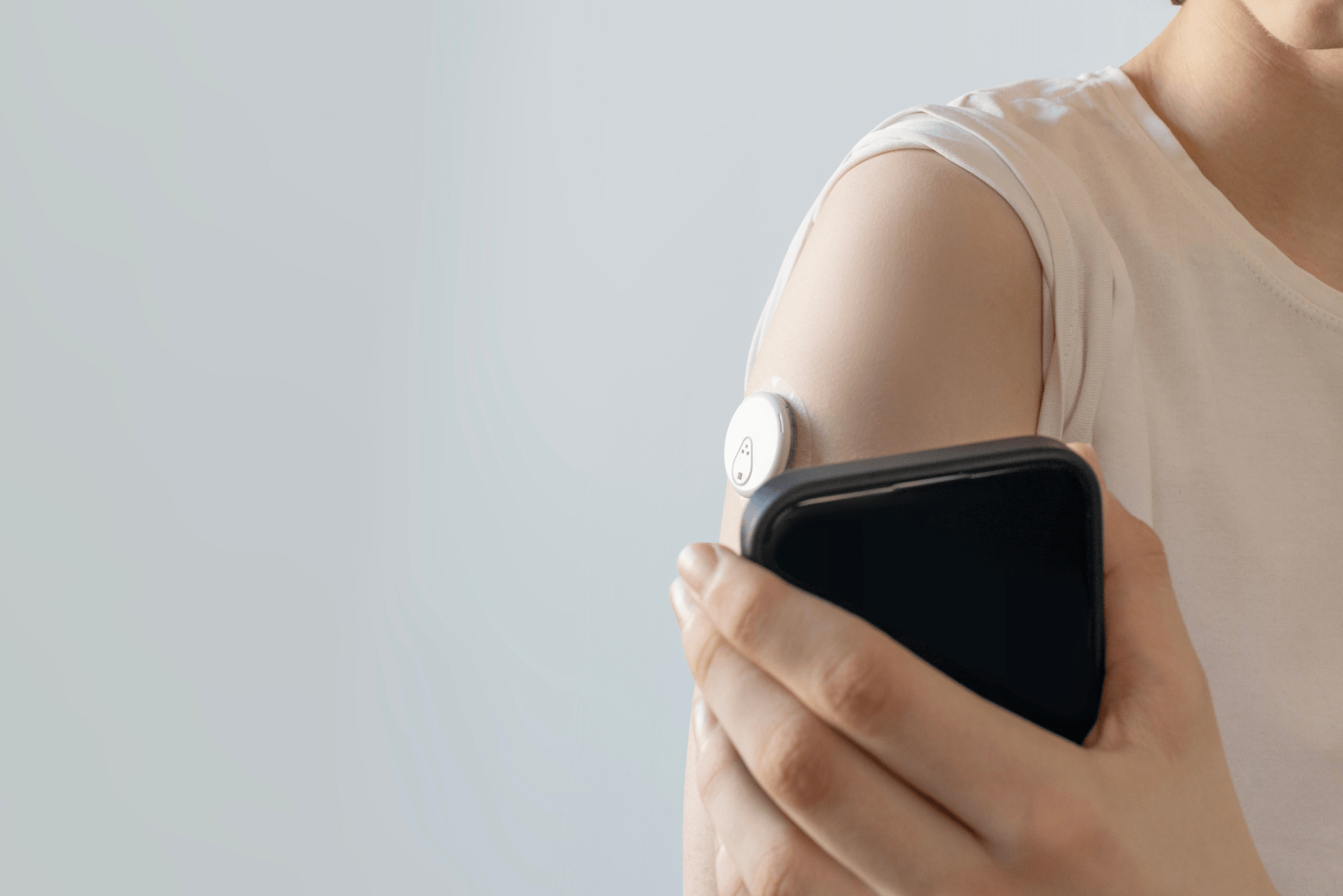
Inserted painlessly beneath the skin (usually in the upper arm or abdomen), a CGM sensor connects wirelessly to a phone or CGM receiver, transmitting data about blood sugar levels, including trends.
For diagnosed diabetics, the sensor can also connect to an insulin pump, giving patients better control over blood sugar by delivering continuous, precise doses of insulin under the skin.
The Benefits of Continuous Glucose Monitoring for Non-Diabetics
For non-diabetics, a CGM can be an effective personal biofeedback tool for blood glucose monitoring, illustrating how food, exercise, sleep, and stress affect blood sugar levels.
As a wearer, you’ll observe patterns in your lifestyle choices and start to understand which actions and habits keep your blood sugar at healthy levels… and which may be sabotaging your metabolic health.
This knowledge is power, but only if you act on it.
In Charlotte and the surrounding area, approximately 9% to 13% of adults have been diagnosed with diabetes. To avoid becoming part of this statistic, you must be ready and willing to modify your daily routines as needed, based on the results that your CGM delivers.
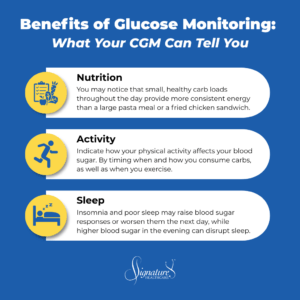
Benefits of Glucose Monitoring: What Your CGM Can Tell You
Here are some examples of how a CGM and blood glucose monitoring may deliver actionable insights.
Nutrition
In healthy non-diabetic patients, we ideally see a blood sugar level of 70 to 100 milligrams per deciliter between meals, and preferably no higher than 140 mg/dl one hour after eating.
Certain foods, such as candy, cake, sugared drinks, and cookies, push your blood sugar into that high range, leading to negative metabolic effects. On the other hand, meals that include healthy fats, proteins, and fiber cause small or no blood sugar spikes.
By monitoring your CGM data, you may notice that small, healthy carb loads throughout the day provide more consistent energy than a large pasta meal, smoothie, or a fried chicken sandwich.
Activity
A CGM can also indicate how your physical activity affects your blood sugar. By timing when and how you consume carbs, as well as when you exercise, you may improve how your body handles glucose.
Muscles are more insulin-sensitive during and after exercise, so even 10–15 minutes of light walking, or a faster walk after a carb-heavy meal, can keep blood sugar spikes below or at 140.
Many athletes and fitness enthusiasts seek to use CGM data to increase muscle mass and/or reduce body fat percentage. Although there isn’t much supporting data yet, CGM results may offer a helpful step toward these goals.
Sleep
Insomnia and poor sleep may raise blood sugar responses or worsen them the next day, while higher blood sugar in the evening can disrupt sleep.
Understanding these responses motivates you to improve your sleep hygiene, which, in turn, may help stabilize your blood sugar.
Does Wearing a CGM Guarantee Good Health?
In healthy individuals who aren’t pre-diabetic or diabetic, wearing a CGM to monitor blood sugar and make prudent lifestyle adjustments is mostly a behavioral benefit, not a preventive treatment or guarantee of good health.
A recent meta-analysis reviewed 23 studies of about 1,000 non-diabetic patients. The analysis showed that while CGM use slightly improved participants’ blood sugar levels, it had no effect on reducing their body weight, a shift that would benefit many people’s metabolic health.
None of these short-term studies offer solid long-range evidence that CGMs prevent diabetes, even in healthy individuals.
However, if you’re a healthy person motivated to avoid metabolic disorders, there are benefits to blood glucose monitoring: You’re empowered with data to make healthier decisions about your diet, exercise, and sleep.
Non-Diabetic? A Two-Month CGM Trial Can Tell You a Lot
As a type 1 diabetic myself, I’m an advocate for CGM usage.
CGMs offer a more promising analysis of blood glucose than finger sticks, which simply yield a point-in-time snapshot. With continuous glucose monitoring, we also receive important patterns to review and interpret.
For diabetics, continuous use of a CGM helps avoid extreme blood sugar highs or lows and subsequent hospitalizations. Pre-diabetic wearers benefit as well, motivated to better control their weight and cholesterol.
If you’re non-diabetic but want to monitor your blood sugar, proactive tracking can help identify early signs of insulin resistance or prediabetes, allowing for lifestyle changes before problems become severe.
I recommend using a CGM as a short-term experiment. A two-month trial gives you a dependable set of data about your personal daily patterns.
During your trial period, I also recommend keeping a daily log of what you eat, how you sleep, and when you exercise. Many CGM apps have built-in tools to help.
After your trial, review your CGM data and your log with your Signature Healthcare physician. We can, for instance, compare the two to see whether a particular meal consistently spikes your blood sugar or a particular activity improves glycemic control.
(This is another improvement over finger sticks, which may only convey when a patient’s blood sugar spikes, without specifying what causes those spikes.)
Say one day you eat a particular kind of sandwich, and your CGM says your blood sugar looks great… yet eating the same sandwich tomorrow yields a large spike. Why the difference? Your log may tell us you took a walk just before or after eating sandwich #1. Or perhaps a very restful sleep the night before helped you metabolize that first sandwich more effectively.
Together, we’ll determine helpful lifestyle tweaks you can make today. During a later visit, we’ll see how your blood sugar responded to those changes.
Before You Try Blood Glucose Monitoring
If you’re considering trying a CGM, here are a few words of advice:
- Consider the expense. Devices can cost $500–$1,000 for a two-month trial and, for non-diabetics, are not typically covered by insurance.
- Avoid compulsively checking your results. Blood sugar changes from minute to minute. Even healthy people see glucose spikes. Continually reviewing data or obsessing over spikes can make you anxious or cause you to misinterpret results.Your Signature Healthcare team is adept at interpreting CGM data. We’ll help you comprehend it, review any idiosyncrasies, and recommend actions.
- Although currently approved CGM devices are excellent, nothing’s perfect. Sensors may occasionally experience a technical glitch. Our physicians understand CGM technology and can help determine if there’s an issue with your device.
Want to try a CGM to see what you can learn through blood glucose monitoring? Your Signature Healthcare doctor is an expert on the benefits of continuous blood glucose monitoring. We can recommend an effective device for your needs.
Then, we’ll help you review and interpret your data, ensure you’re on the right path, or make useful recommendations on lifestyle changes.
Topics: