Berberine Benefits: What Do We Really Know?
Berberine is rapidly gaining attention as a purported aid for weight loss, blood sugar management, and lowering cholesterol. But does berberine live up to claims that it’s “Nature’s Ozempic”? Are there compelling reasons to explore berberine’s benefits? Many people researching berberine benefits are seeking natural ways to support blood sugar control, cholesterol management, and overall wellness.
Berberine is an interesting natural bioactive compound, used for centuries in many traditional medicine systems, including Chinese medicine and Ayurveda. Interest in berberine benefits continues to grow as more people look for evidence-based approaches to supporting metabolic health. In the mountains and Piedmont area of North Carolina, berberine is found in the native American barberry (Berberis canadensis).
It’s found in several other plants as well, including goldenseal, an herb long used in Native American cultures (particularly in combination with echinacea) to prevent infections or recover from viral illnesses. Purveyors of goldenseal often market it as a great source of berberine; however, the amount of berberine in goldenseal is typically low.
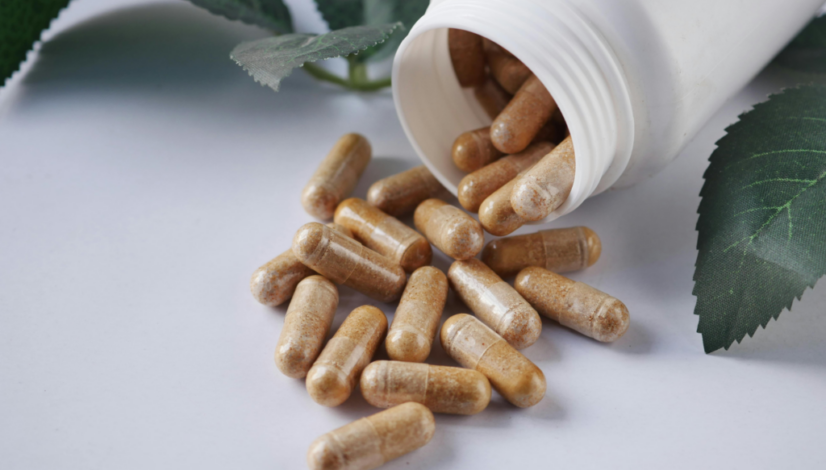
For a patient to find a concentrated dose of berberine, it makes more sense to purchase a berberine supplement in the form of berberine hydrochloride or berberine sulfate.
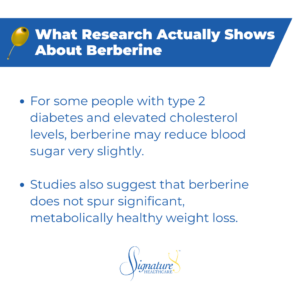
But is berberine truly a natural alternative to GLP-1s? To better understand potential berberine benefits, it is important to examine what current research actually shows:
- For some people with type 2 diabetes and elevated cholesterol levels, berberine may reduce blood sugar very slightly. However, when clinically indicated, Ozempic, Wegovy, Mounjaro, and other new diabetes and weight-loss medications are far more effective and beneficial to most patients.
- Studies also suggest that berberine does not spur significant, metabolically healthy weight loss.
Patients with diabetes or high cholesterol who would like to try berberine supplements for their limited benefits should do so only under a doctor’s care. Your physician will advise you to avoid excessive dips in blood sugar and, as with any supplement, to ensure you’ve found a high-quality product.
Cautions About Berberine Use
Berberine can inhibit a variety of prescription medications, most notably statins. If you take a statin for elevated cholesterol, a berberine supplement may interfere with its effectiveness.
In my work with patients who’ve had cancer or are currently in treatment, berberine is sometimes mentioned for its promise as a cancer fighter. Over the past two decades, a limited amount of research suggests the compound may have intriguing anti-cancer properties, but much research is still needed.
Also, berberine is a potent antioxidant, a substance we tend to avoid in patients undergoing conventional radiation or chemotherapy, as it can impede those treatments.
Berberine Benefits and How to Choose a Quality Supplement
Still want to explore possible berberine benefits?
When you purchase supplements of any kind, it’s often a “buyer, beware” market. Besides checking with your doctor, do your homework and consult the website of the independent entity Consumer Lab.
Consumer Lab tests and reviews health, wellness, and nutrition products, guiding us to quality products backed by reliable recent research. The organization evaluates vitamins, supplements, and herbs to ensure product packaging truly and accurately reflects the supplement’s contents, so you don’t waste money on false claims.
My final counsel: In some cases, berberine may have a very minor effect on blood sugar regulation, but berberine is not “Nature’s Ozempic.” Before using it, talk to your pharmacist or Signature Healthcare doctor to confirm it’s a prudent addition to your healthcare regimen.
We welcome your questions about possible berberine benefits or the pros and cons of other supplements. Reach out!

Dr. Russ Greenfield
Dr. Greenfield was among the first physicians to train under the direct guidance of Dr. Andrew Weil and has been practicing Integrative Medicine for over 25 years. He is Board Certified in Emergency Medicine and Lifestyle Medicine.
 Membership Payment