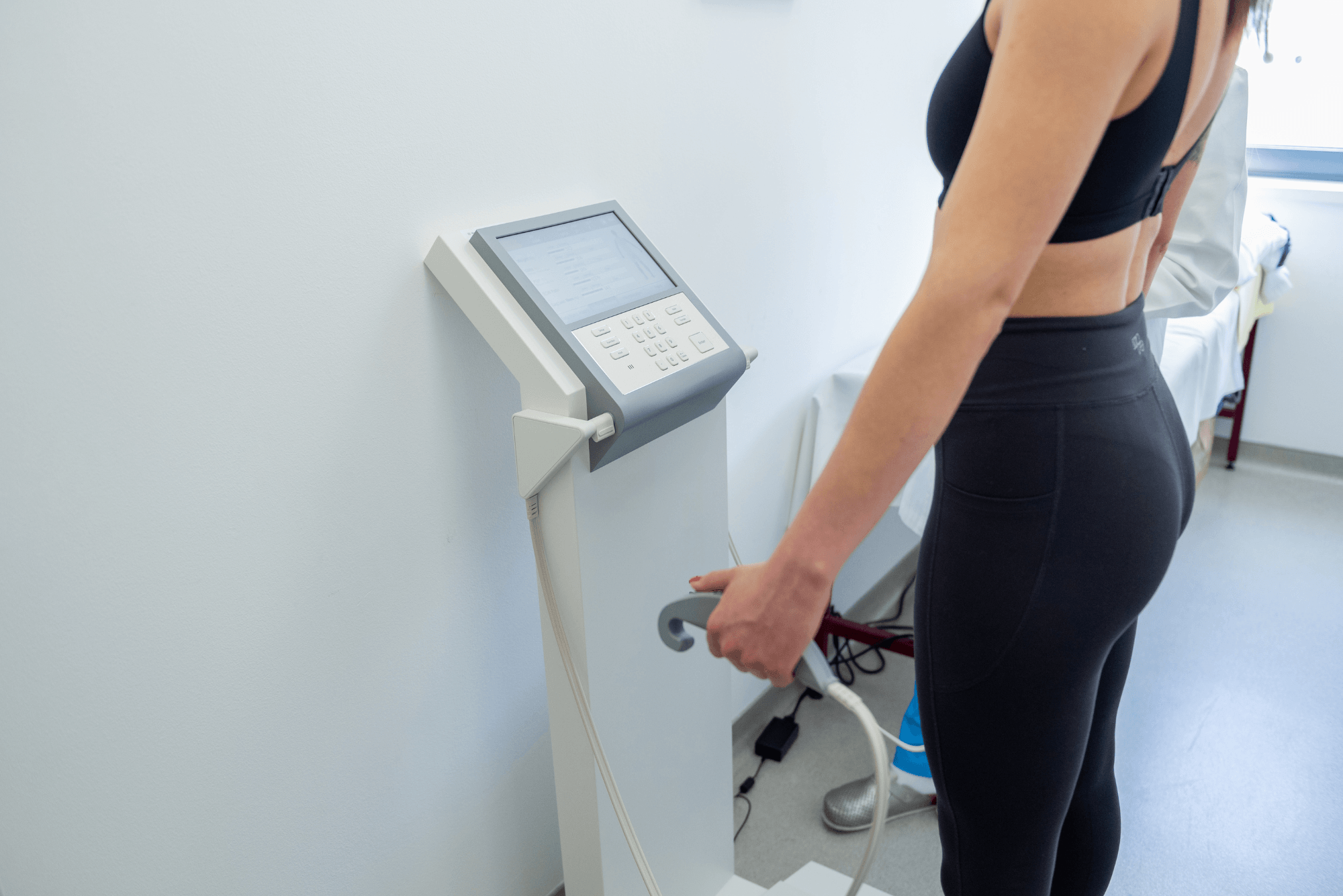


Do you tediously walk the treadmill at your physical therapy (PT) visit while your therapist seems to be preoccupied elsewhere? Have you grown weary of pursuing PT with no lasting results?
Perhaps it’s time to consider a physical therapist who takes a more holistic and individualized approach to your needs. There are many types of physical therapy, but in each, your therapist should view you as a whole person, not a point of injury.
First and foremost, it’s vital that your therapist conduct a thorough evaluation to determine the root cause of your pain or discomfort. If this isn’t done, your symptoms will return.
At Signature Healthcare, we achieve long-term results for our patients by first pinpointing the cause of their dysfunction.
For example, if you visit us complaining of lower back pain, I evaluate not just your lower back but also the mid-back and joints above and below the painful area, as well as the hips and knees. I also observe your functional movement patterns:
- How do you transition from sitting to standing?
- How do you walk?
- Squat?
- Lift an object off the floor?
I’ll ask questions about your typical day, too. What does the day involve? Do you sit at a desk continuously, or do you sit and stand throughout the day?
That’s when the puzzle pieces (ergonomics + your unique body mechanics) come together to tell us why your symptoms occur… and how we might improve them.
If I’m treating your sore knee, for instance, I can do more than just passively reduce the pain — drawing on different types of physical therapy to improve mobility and strengthen surrounding tissues. I might also help you achieve better movement of that knee through mobility and strengthening exercises. Perhaps I can apply manual therapy or dry needling — say, relieve knotty trigger points in the glute muscles — to prepare your tissues for less restricted movement.

Avoiding the “PT Mill”
Today’s insurance-based healthcare model makes it difficult to treat patients holistically. It’s a volume-driven model that values quantity over quality.
In the 20 years that I worked in an insurance-based clinic, it wasn’t always that way. Early on, we focused closely on the individual and their treatment. But over time, things changed.
Insurance companies now impose greater restrictions on what therapies you can have and the number of visits. Furthermore, the cost of doing business increases annually, as insurance companies reduce their reimbursement to private practices.
To meet operating expenses, insurance-based clinics are forced to see multiple patients at the same time. The sad result is the so-called physical therapy mill, an assembly-line approach where therapists barely have time to interact with patients. Instead, each patient is rushed through exercises and out the door to make room for the next patient.
This approach doesn’t resonate with me. My desire to work closely with patients one-on-one is a huge reason why I chose to go “out of network” with commercial insurance.
What to Expect When You Visit Us
While Signature Healthcare doesn’t offer in-house physical therapy, they understand the importance of connecting patients with personalized, patient-centered care across multiple types of physical therapy offerings. They maintain relationships with various PT providers in the area and can help match you with a therapist whose expertise fits your condition.
When I work with patients at my own physical therapy practice, I focus on each patient’s condition rather than trying to manage multiple patients at once. This one-on-one approach is what I believe physical therapy should look like.
When evaluating a patient with knee issues, for example, I want to see how they’re moving in general. As soon as your foot hits the ground, it can affect your ankle, knee, hip, and lower back.
How are you walking or squatting? How’s your core and your balance? What’s going on at your ankle?
It’s also important that I understand your goals. What do you want to achieve through your physical therapy? What activity can you no longer do that you’d like to regain?
Every patient’s needs are different, and understanding the right types of physical therapy and practitioner is an important step in your recovery journey.
Find the Right Physical Therapist
Searching for a physical therapist near you can be confusing— especially when you’re weighing the many types of physical therapy available and trying to find the right fit. You’ll find listings for many different types of physical therapy, from orthopedic to neurological to geriatric. How do you determine which types of physical therapy offer the specific care you need… and then find the right fit?
I did a fellowship in orthopedics and treated orthopedic injuries for most of my career, then added a pelvic floor specialty to my certifications. Backs, hips, and knees play a role in pelvic floor health and mobility, so this combined offering serves my patients well.
When I understand your unique goals, I specifically tailor your treatment plan. For example, if you’re a runner who leaks when you run, and you’d like to conquer that, I’ll design a more advanced therapy program with higher-level exercises than I might for a non-runner.
Time for a New Approach to PT?
If you’re in physical therapy but haven’t seen results, consider the different types of physical therapy and find a new practitioner who delivers effective care geared to you.
Ask yourself:
- At your current provider, does a licensed practitioner give you one-on-one care at every visit? Do they continually review and discuss your progress toward your goals?
- Does your provider assign you suitable skill and movement exercises to complete during your visit? Or are you left to hobble on the treadmill while your therapist catches up on computer work?
- If you feel stuck in such a situation, seek out a new physical therapist with advanced education or training in your specific treatment areas. Take a good look at their website. Do they have the required background? Does their profile resonate with you? Do your values align?
- Read the reviews about any practitioner you’re considering. Do positive reviews outweigh negative ones? What do poor reviews mention?
If it’s time for a change, your Signature Healthcare team is delighted to help you achieve your health and recovery goals by referring you to the right physical therapist.
We address the total you to reduce pain, increase flexibility, and improve mobility long-term. Reach out. Let us get to know you.