
You’ve heard probiotics are good for gut health, so you head to the store, ready to browse your options for the best probiotics for gut health.
But once there, you’re presented with an overwhelming abundance of products. How do you determine which ones are the best probiotics for your gut health?
My first piece of advice: Avoid selecting a bottle at random. Probiotics are not one-size-fits-all. And they’re “strain-specific,” meaning different strains offer different benefits.
Let’s take a deeper look at how to choose the best probiotics for gut health.
When Your Gut Needs Help
Your gastrointestinal (GI) tract, aka the gut, performs a multitude of critical functions: It digests your food, absorbs nutrients, and excretes waste. And it houses trillions of microbes, called the gut microbiome, crucial to your immune function, metabolism, and even mood regulation.
But that microbiome can become disarrayed. Occasionally, your gut might experience turbulence, bloating, or other imbalances because of:
- Stress
- Poor diet or digestion
- Irregularity
- Insufficient sleep
- Viruses and antibiotics
Probiotics introduce strains of helpful bacteria, fungi, and other live microorganisms to the GI tract: the “good guys” that keep your gut in balance.
What Are the Best Probiotics for Gut Health?
A common misconception is that all probiotics are the same, and many people simply focus on finding a product with a specific count of a certain bacterium.
But it’s not that simple.
Your gut biome is unlike anyone else’s. And it takes a variety of different bacterial strains to support the functions of your gut. So, the best probiotics for your gut health are the specific strains that match the individual symptoms you are experiencing.
Like a multivitamin for your gut, a general daily probiotic supplement contains several strains that aid basic digestive function. Lactobacillus reuteri is a common component, offering basic support for gut health.
Targeted probiotics contain strains that serve a particular purpose. Some examples:
- If you’re ill and taking antibiotics, these can sweep away healthy bacteria while also killing the unhealthy bacteria. For example, treating Helicobacter pylori with antibiotics can disrupt gut flora, creating a risk (roughly 4.6% in some reports) of developing Clostridioides difficile infection.Probiotics that contain Lactobacillus rhamnosus or Saccharomyces boulardii (a fungus) can help with diarrhea, relieve travelers’ IBS, and heal a gut irritated by antibiotic use.
- Lactobacillus crispatus, Lactobacillus rhamnosus, Lactobacillus reuteri, Lactobacillus gasseri, and Bifidobacterium species support women’s vaginal health. They promote a proper pH balance and reduce the risk of infection.
- Other strains, such as Lactobacillus acidophilus, help strengthen the immune system by supporting GI tract health.
Probiotic-Rich Foods
The gut microbiome is one of the next big frontiers in healthcare research, with scientists still learning what constitutes a healthy GI tract.
However, we do know that foods containing natural cultures, such as kombucha, yogurt and kefir, kimchi and sauerkraut, can contribute to a “healthy gut” strategy. These foods can do the job on their own or as a complement to probiotic supplements.
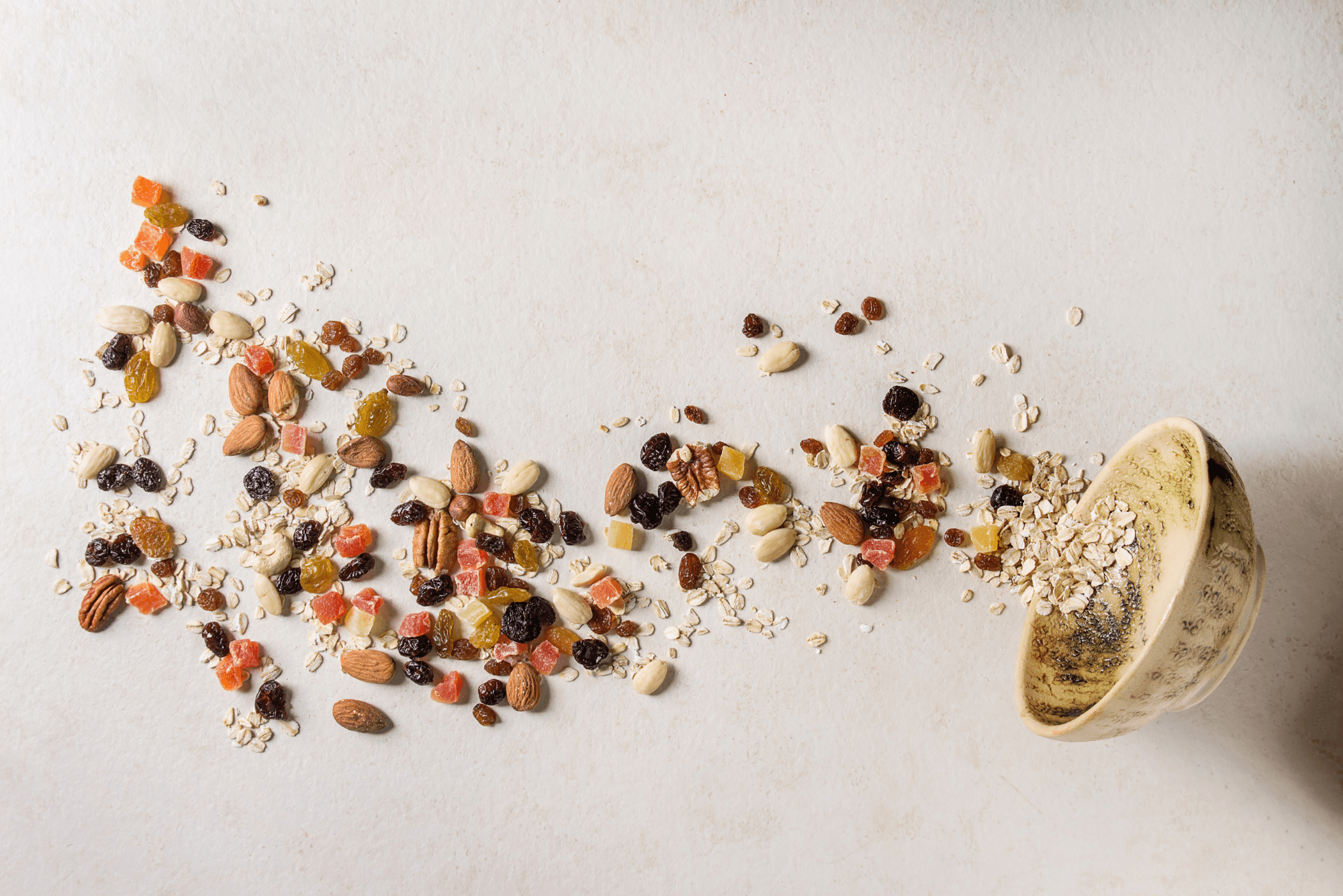
Also, consider pairing probiotic foods with prebiotic-rich foods like garlic, onions, asparagus, slightly under-ripe bananas, oats, beans, and legumes. Prebiotics contain fibers and plant compounds healthy gut bacteria digest as essential fuel.
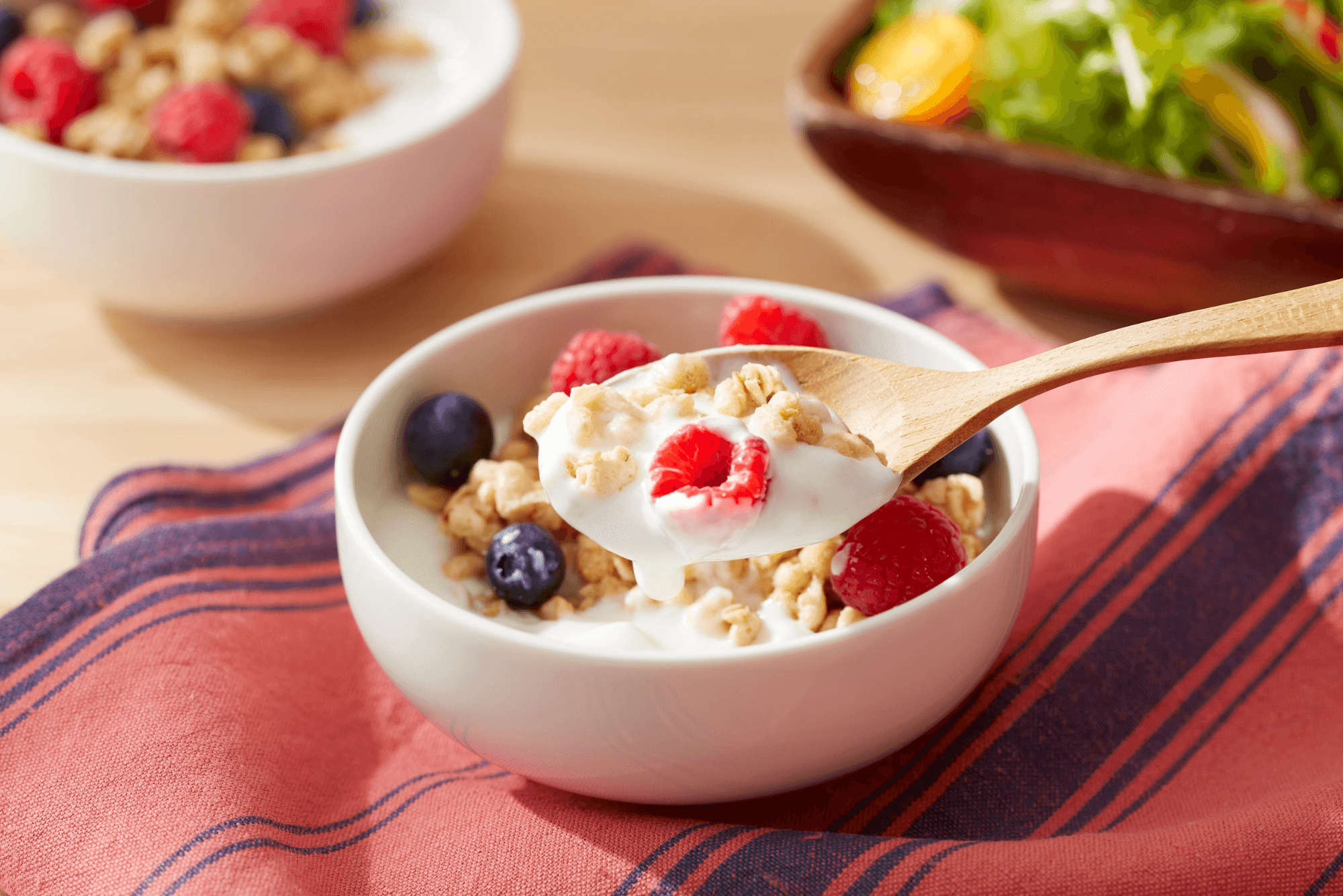
Try adding prebiotic oat-rich granola or a slightly green banana to your probiotic-rich yogurt for a powerful gut-healthy breakfast.

How to Find the Best Probiotics for Gut Health
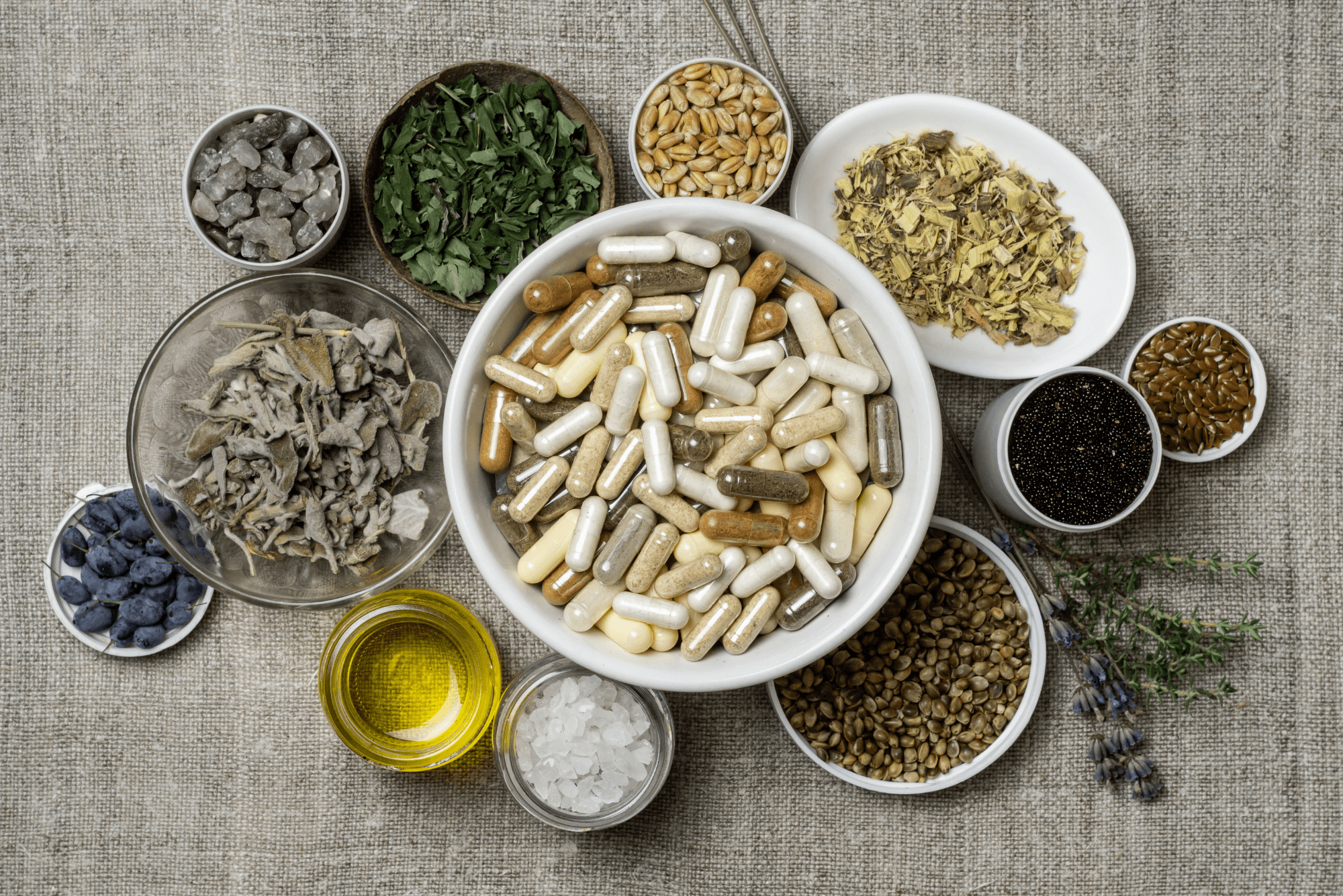
To choose the best probiotics for gut health, seek high-quality, proven-effective products. Be sure your probiotic supplements have been third-party tested and feature an optimal variety of strains. Brands like Nordic Naturals, Florastor, Align, and Culturelle are well-formulated and backed by solid research.
Probiotic labels display “CFUs” (colony-forming units), indicating the number of live bacteria in the product. Lower-CFU probiotics help with ongoing daily maintenance of digestive issues, bloating, and irregularity. Higher CFUs are more appropriate for short-term use, such as recovery from antibiotics.
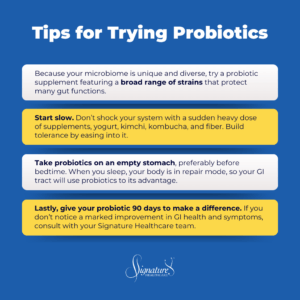
Tips for Trying Probiotics
As noted, every gut is different, and there’s no one-size-fits-all strategy for tackling digestive health issues. But here are a few tips to help support a healthy GI tract:
- Because your microbiome is unique and diverse, try a probiotic supplement containing a broad range of strains that support many gut functions.
- Start slow. Don’t shock your system with a sudden heavy dose of supplements, probiotic-rich foods, and fiber. Build tolerance by easing into it.
- Take probiotics on an empty stomach, preferably before bedtime. When you sleep, your body is in repair mode, so your GI tract will use those probiotics to its advantage. When your stomach is empty and not digesting food, there are fewer digestive enzymes being released that could hinder the probiotics’ work. If you’re using antibiotics and probiotics, take them a few hours apart.
- Lastly, give your probiotics at least 90 days to make a difference. If you don’t notice a marked improvement in GI symptoms, consult with your Signature Healthcare team.
Reach out to talk with us about the best probiotics for gut health. We can help you navigate the world of probiotics, counsel you on probiotic-rich foods, and advise on diet or lifestyle changes that could make a positive difference in your gut health.
Topics: